How to Apply Floor Varnish Like a Pro

Floor varnish is an effective solution for sealing and protecting wooden floors from moisture, dirt, and daily wear while enhancing their natural appearance. Available in oil-based, water-based, and polyurethane types, each varnish offers unique benefits. Water-based options dry faster and have lower odour, while oil-based varnishes provide a richer, deeper finish.
Choosing the right varnish depends on your wood type, desired finish (glossy, satin, matt), and the level of foot traffic the floor will endure. With proper application, varnish extends the life of your floors, saving you money on future repairs and replacements.
Preparing the Surface for Floor Varnishing
Proper surface preparation is a crucial first step before applying any floor varnish or coating. This process ensures the wood is clean, smooth, and ready for optimal varnish adhesion, resulting in a long-lasting and high-quality finish.
The preparation involves several key steps:
- Removing Old Finishes: Start by stripping away any existing varnish, paint, or sealant. This can be done through sanding with a professional wood floor sanding machine or by using a chemical stripper for more stubborn coatings.
- Sanding the Surface: Once old finishes are removed, sand the floor to achieve a smooth and even texture. Sanding also eliminates raised wood grain and prepares the surface for varnish application.
- Filling Cracks and Gaps: Inspect the floor for cracks, gaps, or imperfections. Use appropriate fillers such as wood filler, epoxy, or resin to repair these areas. Allow the filler to dry completely before proceeding.
- Cleaning the Surface: After sanding and repairs, thoroughly clean the floor to remove all dust and debris. Use a vacuum cleaner, followed by a tack cloth to pick up fine particles. If the surface is greasy or stained, a suitable solvent or degreaser should be applied.
Skipping proper surface preparation can result in poor varnish adhesion, visible imperfections, and reduced durability. Taking the time to prepare your wooden floors correctly ensures a professional-grade finish that lasts for years.
Recommended Floor Varnishes

Bona Traffic HD SilkMatt Varnish 5L

Junckers HT700 Floor Lacquer, Satin, 4.95L
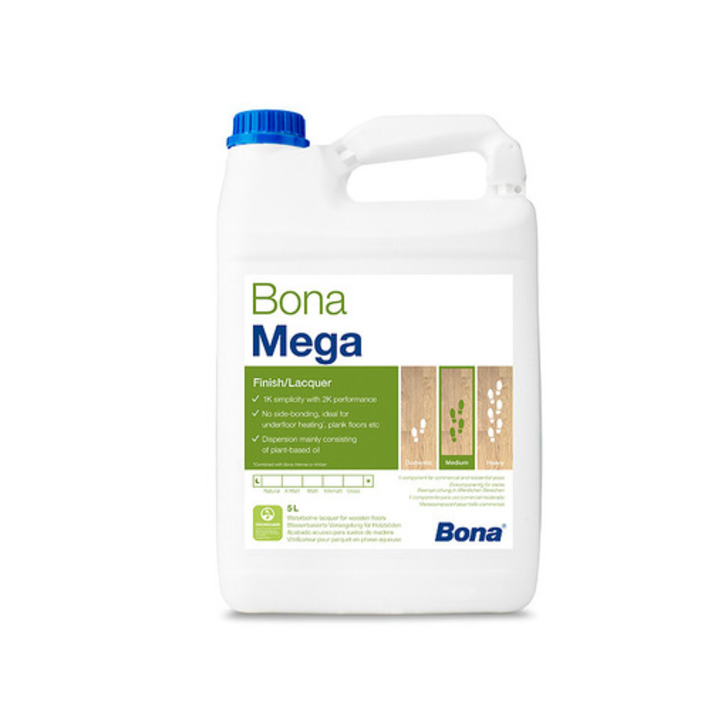
Bona Mega Matt Varnish 5L
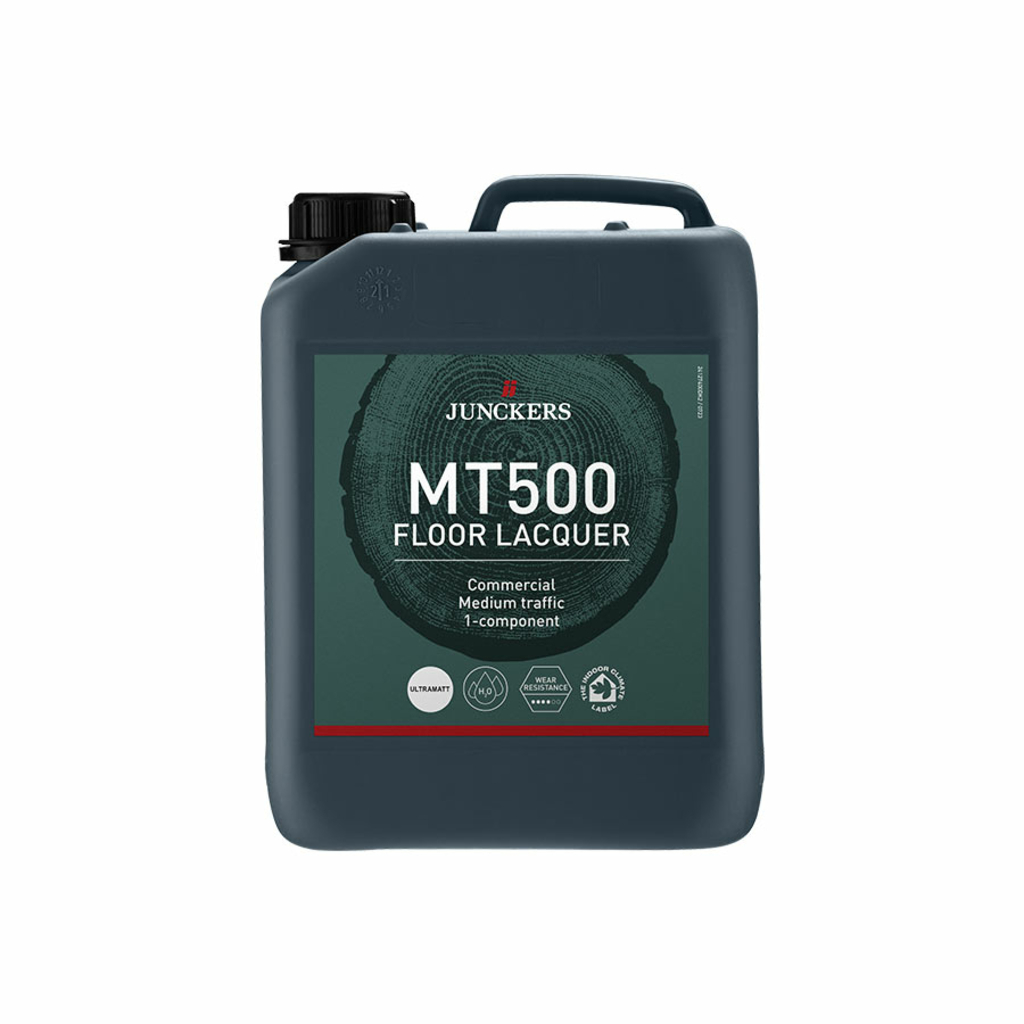
Junckers MT500 Floor Lacquer, Silk Matt, 5L
Gathering the Right Tools & Materials
Before applying varnish to your wooden floors, it’s essential to gather the right tools and materials. Proper preparation not only makes the job easier but also ensures a high-quality, professional finish.
Essential Tools for Floor Varnishing:
- Sandpaper: For smoothing the wood surface to improve varnish adhesion.
- Scraper: Useful for removing old varnish, paint, or stubborn debris.
- Tack Cloth: Removes fine dust particles after sanding for a clean application surface.
- Applicators: Choose between a brush, roller, or varnish pad depending on the project.
Choosing the Right Applicator:
- Brush: Best for precision work, edges, and small or angled surfaces.
- Roller: Ideal for covering large, flat areas quickly and evenly.
- Pad Applicator: Resembles a sponge, offering smooth, streak-free finishes and easy control — perfect for achieving a professional result.
Selecting the Appropriate Varnish & Finish:
Floor varnishes come in various types and finishes. Your choice should match both your aesthetic preferences and practical needs:
- Clear Varnish: Enhances the natural beauty and grain of the wood.
- Tinted Varnish: Adds subtle colour while protecting the surface.
- Gloss Finish: Provides a high-shine, reflective surface.
- Satin Finish: Offers a soft sheen, balancing gloss and matt.
- Matt Finish: Creates a flat, understated look for a more natural appearance.
Consider the level of durability required, the visual effect you desire, and the area’s foot traffic before making your final selection.
By gathering the correct tools, choosing the right applicator, and selecting the ideal varnish finish, you’ll be well-prepared to achieve a professional-grade varnishing result.
Common Mistakes & Pro Tips for Perfect Floor Varnishing
Even with careful planning, small mistakes can happen during varnishing. Here are expert tips to help you avoid common issues and achieve a flawless result:
- Don't overload your applicator: Excess varnish on brushes or rollers leads to drips, streaks, and uneven coverage. Always apply thin, controlled layers.
- Mind your drying times: Rushing between coats can cause tacky finishes and poor adhesion. Allow full drying and curing as per product instructions.
- Fixing imperfections: If bubbles, brush marks, or drips appear, let the varnish dry completely, lightly sand the area, and reapply a thin layer to correct the flaw.
- Use quality tools: High-quality brushes, rollers, and applicator pads provide smoother results and reduce visible application marks.
- Work in good conditions: Ensure proper ventilation, stable room temperature, and avoid dusty environments during application for the best finish.
By focusing on technique and avoiding these common mistakes, you’ll achieve a professional-looking, durable floor varnish finish that enhances and protects your wooden floors.
Troubleshooting Varnishing Issues
Even with careful preparation, varnishing wooden floors can present challenges. Here are common issues you might face during the process — and how to fix them:
1. Streaks or Uneven Finish
- Cause: Overloading the brush or roller, applying uneven pressure, or working too slowly.
- Solution: Let the varnish dry, lightly sand the affected area with fine-grit sandpaper, and reapply a thin, even coat. Work in the direction of the wood grain and maintain a wet edge.
2. Dust, Debris & Blemishes
- Cause: Insufficient cleaning before application or dust settling during drying.
- Solution: Lightly sand the blemished area once dry, clean thoroughly with a tack cloth, and apply a fresh coat of varnish. Ensure the room is dust-free and well-ventilated.
3. Scratches or Damaged Areas
- Cause: Accidental damage during application or poor surface preparation.
- Solution: Sand out the scratch or damaged spot. If deep, fill with wood filler, allow to dry, sand flush, and re-varnish the area.
4. Peeling or Flaking Varnish
- Cause: High humidity, improper surface preparation, or applying varnish over incompatible finishes.
- Solution: Scrape or sand the peeling areas back to bare wood. Re-sand the area smoothly and reapply varnish in thin, even coats.
5. When to Seek Professional Help
For extensive damage, old floors with multiple layers of finishes, or large-scale refinishing projects, it’s best to consult a professional. Expert advice ensures the right products and techniques are used for a lasting result.
By troubleshooting these common issues promptly, you can ensure your varnished floors maintain a smooth, flawless appearance and long-lasting protection.
Safety Precautions & Best Practices
When applying floor varnish, it’s essential to prioritize safety — both for yourself and your surroundings. Proper precautions not only protect your health but also ensure a smooth and successful varnishing process.
1. Ensure Adequate Ventilation
- Always work in a well-ventilated area to avoid inhaling harmful fumes.
- Open windows and doors, and use fans to circulate fresh air.
- Consider using respiratory protection, especially when working with solvent-based varnishes.
2. Wear Appropriate Protective Gear
- Gloves: Prevent direct skin contact with varnish and cleaning solvents.
- Safety Goggles: Protect your eyes from splashes and airborne particles.
- Respiratory Mask: Essential for avoiding inhalation of vapours and fine dust during sanding.
3. Safe Handling & Storage
- Store varnish and related materials in a dry, well-ventilated space, away from heat sources, flames, or sparks.
- Keep containers tightly closed when not in use.
- Dispose of used brushes, rags, and leftover varnish following local hazardous waste disposal regulations.
4. Protect Children & Pets
- Keep the work area off-limits to children and pets during and after application until the floor is fully dry and cured.
- Ensure good ventilation in adjacent rooms to prevent accidental exposure.
5. Follow Manufacturer's Instructions
- Adhere strictly to the varnish manufacturer’s guidelines regarding application methods, drying times, and recommended safety measures.
- Always apply varnish in thin, even coats, following the direction of the wood grain.
By following these safety practices, you ensure a smooth, efficient varnishing process while protecting your health and achieving a beautiful, long-lasting floor finish.
Related Pages You Might Find Useful
Ready to transform your wooden floors with a flawless varnish finish? Call Flooring Centre on 020 88309787 or Shop online.