What Every Tradesperson Needs for Quality Installations
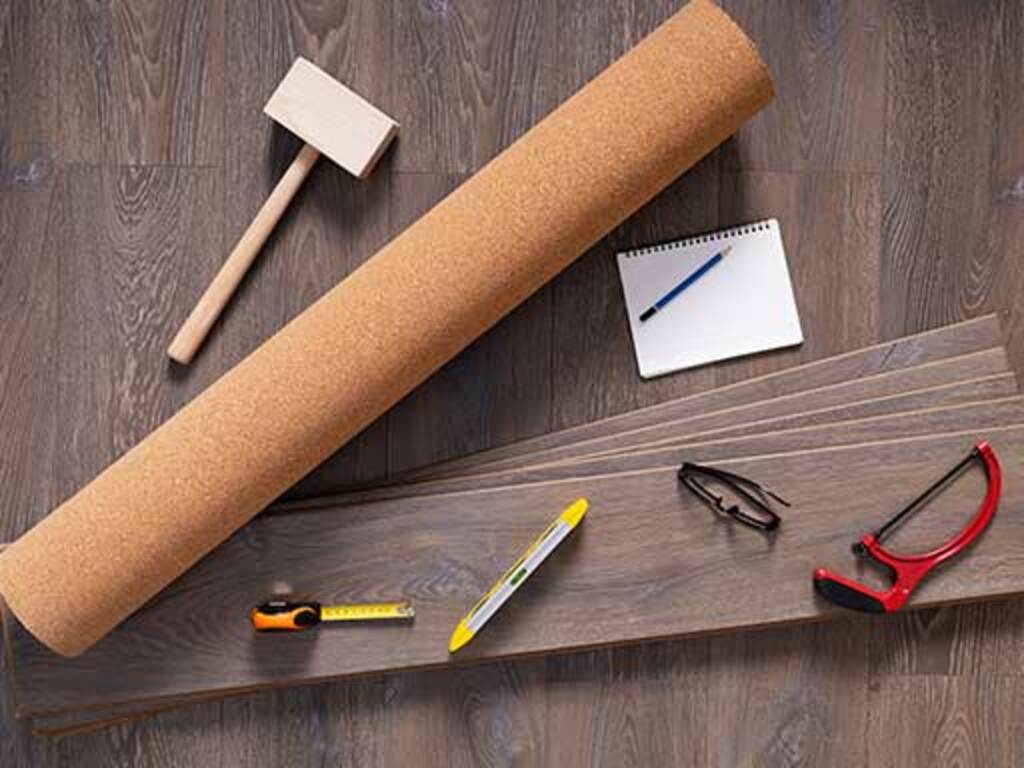
Professional floor fitting tools that tradespeople rely on are fundamental investments in any flooring business. Whether you're installing laminate, vinyl, engineered wood, or ceramic tiles, having the right equipment ensures precision, efficiency, and customer satisfaction. The flooring industry demands specific tools that meet British standards and safety requirements, making it crucial to understand what constitutes a proper toolkit.
Why Quality Tools Matter for Floor Fitters
Investing in quality floor fitting tools that professionals use separates successful installations from costly mistakes. Poor equipment leads to uneven surfaces, damaged materials, and unhappy clients. Professional-grade tools ensure you can handle various subfloors, materials, and challenging spaces. They also improve your working speed, reduce physical strain, and demonstrate professionalism to clients watching your work.
Essential Hand Tools Every Floor Fitter Needs
Measuring and Marking Equipment
Accurate measurements are the foundation of flawless floor fitting. Every tradesperson should have:
- Laser Distance Meter: Essential for measuring rooms quickly and accurately, providing digital readouts for planning layouts and calculating material quantities
- Spirit Level: A quality spirit level (preferably 1.2m) identifies subfloor irregularities critical for proper installation
- Chalk Line: Creates perfectly straight reference lines across large areas, indispensable for achieving professional alignment
- Tape Measure: A 10m or 15m retractable tape handles most flooring jobs, though some prefer a 25m option for larger commercial projects
- Pencils and Markers: Carpenters' pencils and specialist flooring markers ensure clear, visible markings without damaging finished materials
Cutting and Shaping Tools
Precise cutting separates amateur work from professional installation. Essential cutting tools include:
- Handsaw or Tenon Saw: Useful for initial cuts and adjustments, particularly when working with hardwood or engineered boards
- Jigsaw: Cordless jigsaws offer exceptional versatility for curved cuts around door frames, pipes, and architectural features
- Circular Saw: Provides straight, clean crosscuts on laminate and vinyl planks, with a dedicated flooring blade for optimal results
- Coping Saw: Perfect for internal curves and intricate shaping where joinery precision matters
- Utility Knife: A sharp blade handles vinyl scoring and underlay trimming, with spare blades always in your toolkit
Power Tools for Professional Floor Fitting
Sanding and Surface Preparation
For wooden floor installations and repairs, sanding equipment proves invaluable:
- Orbital Sander: Essential for smoothing wooden subfloors and preparing surfaces, with variable speeds to prevent damage
- Drum Sander: Larger projects demand heavier equipment; hiring a drum sander might be cost-effective for individual jobs
- Belt Sander: Powerful option for removing old finishes and significant surface irregularities
Adhesive Application Equipment
Proper adhesive coverage ensures durable installations. Professional floor fitters require:
- Notched Trowel: Available in various notch sizes (typically 6mm, 8mm, or 10mm) depending on material and subfloor type, creating consistent ridges for proper adhesive distribution
- Serrated Spreader: Alternative to trowels, particularly useful for large-format tiles and commercial vinyl installations
- Paint Roller: Applies liquid adhesive evenly across underlay, essential for floating floor systems
Safety and Protection Equipment
Personal Protective Equipment
Flooring professionals must prioritise safety with appropriate PPE:
- Respiratory Protection: Dust masks and respirators protect against wood dust, adhesive fumes, and concrete particles—essential for COSHH compliance
- Knee Pads: Professional kneelers or padded protection prevent long-term joint damage during extended kneeling work
- Safety Footwear: Steel-toed boots with slip-resistant soles are mandatory on most commercial sites
- Eye Protection: Safety glasses shield eyes from dust and debris when using power tools
- Gloves: Protect hands from sharp materials, adhesives, and splinters, with different types for various tasks
Specialist Floor Fitting Tools Professionals Use
Laminate and Vinyl Installation Kit
These materials require specific tools often overlooked by beginners:
- Laminate Cutter: Powered saws designed specifically for laminate, reducing chipping and ensuring clean edges
- Spacers: Maintain consistent gaps (typically 8-12mm) around room perimeters for natural movement
- Tapping Block: Wooden block and mallet gently seat boards without damaging edges
- Pull Bar: Assists in tightening final rows where space is limited
- Underlayment Tools: Adhesive for underlay and sealing tape ensures waterproofing and stability
Tile Fixing Essentials
Ceramic and stone installations demand precision equipment:
- Tile Cutter: Manual cutters handle most tile types, though wet saws prove necessary for porcelain or large formats
- Wet Saw: Essential for marble, granite, and large-format tiles, available for hire if purchasing seems expensive
- Grout Float: A speciality tool for applying and finishing grout joints evenly
- Tile Spacers: Ensures uniform grout lines and professional appearance
- Sponges and Buckets: Grouting and cleaning require specific sponges that won't damage newly installed grout
Structural and Subfloor Assessment Tools
Examining subfloors properly prevents future problems. Professional floor fitters use:
- Moisture Meter: Critical for detecting excessive moisture in concrete or wooden subfloors before installation, preventing warping and adhesive failure
- Straight Edge: A 1.8m or 2m straight edge identifies high spots and deviations exceeding acceptable tolerances (typically 3mm over 2m)
- Impact Sound Meter: Sometimes required for commercial installations to verify acoustic performance
Storage and Organisation Solutions
Professional floor fitters maintain organised toolkits for efficiency. Consider investing in:
- Sturdy tool bags with multiple compartments
- Wheeled tool boxes for easy transportation between jobs
- Specialist tool belts for frequently-used items
- Protective cases for delicate equipment like lasers and meters
Budgeting for Your Floor Fitting Tools Toolkit
Building a comprehensive toolkit requires significant investment. Budget approximately £1,500–£3,000 for a basic professional setup, with additional spending for specialised power tools. However, many tradespeople start with essential hand tools and gradually expand their equipment collection as business demands and finances allow. Hiring specialist equipment for occasional jobs provides cost-effective alternatives to ownership.
Maintenance and Upkeep
Professional tools require regular maintenance to ensure longevity and precision. Keep blades sharp, store equipment in dry conditions, perform routine servicing on power tools, and replace worn components promptly. Proper maintenance extends tool lifespan and ensures consistent quality installations throughout your career.
Investing in quality floor fitting tools that professionals depend on demonstrates commitment to excellence and builds your reputation as a reliable tradesperson. The right equipment makes every job smoother, faster, and more profitable.